
Know Your Region
Why is Bihar special? Its history, rivers and living culture
हिंदी में पढ़ेंBihar is a state in eastern India where ancient centres of power and learning meet a lively culture of languages, festivals, food and art. Patna is its capital, the Ganga shapes its plains, and places such as Nalanda, Bodh Gaya and Vikramshila connect local stories with India and the wider world.
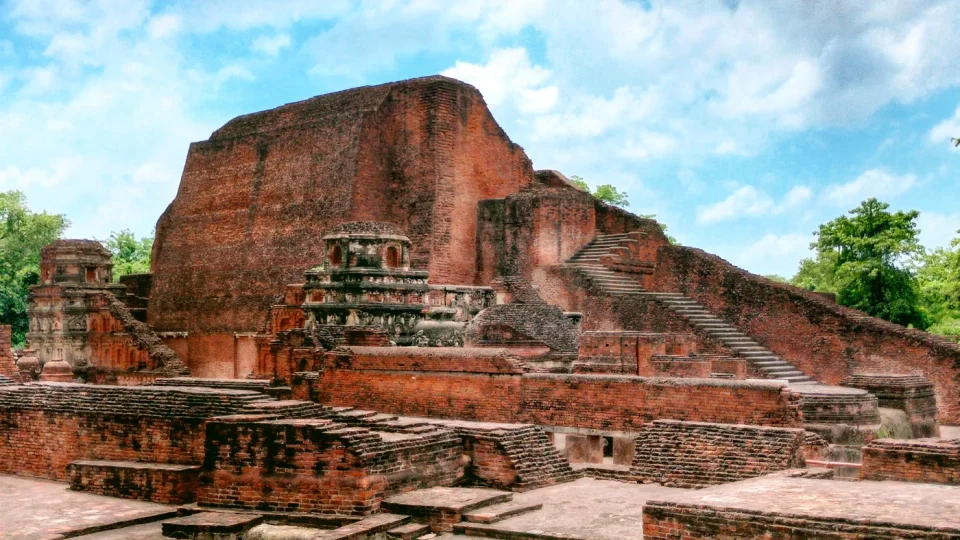

Think of a journey that begins with a map, continues among the ruins of a learning centre and ends with a family meal. Each stop asks a different question: How did rivers shape settlements? What did students learn long ago? Why do people celebrate or cook in different ways? Bihar gives us many ways to explore those questions.
Where is Bihar, and why are its rivers important?
Bihar has Nepal to its north, Uttar Pradesh to its west, Jharkhand to its south and West Bengal to its east. It is landlocked, meaning it has no coastline. Its geographical area is about 94,163 square kilometres, with 38 districts in the current official state overview. Check the source
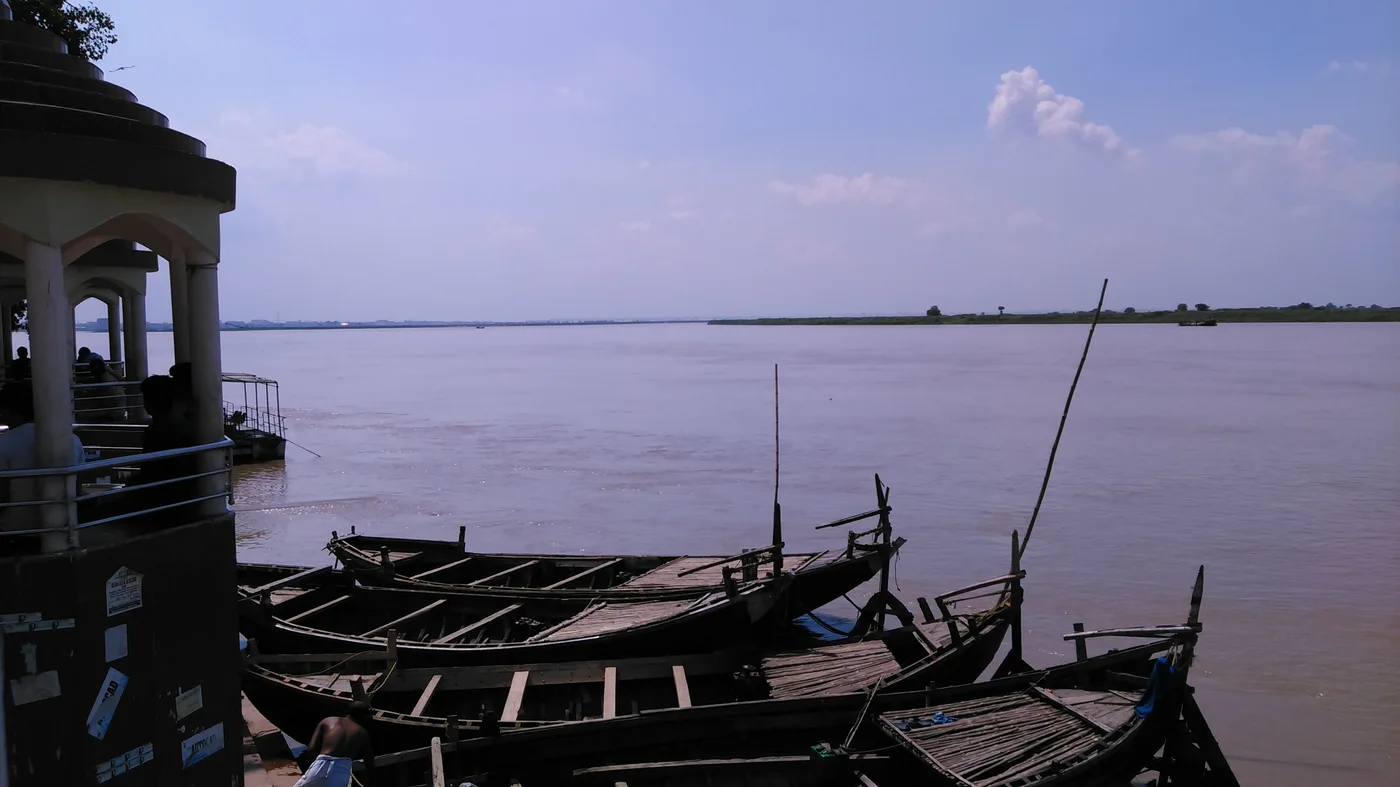
The Ganga flows across the state, with important rivers including Gandak, Kosi, Bagmati, Burhi Gandak and Son contributing to its wider river system. The plains support farming and settlement. Rivers bring water and fertile soil, but high flows can also create flood risks. A river map is useful for learning geography; it is not a live flood forecast. Check the source Check the source
Where is Bihar?
Use the map to find Patna, Jehanabad, the Ganga and neighbouring regions. The marker is at Patna; this view is for geographic exploration.

How do Magadha, the Mauryas and the Guptas fit into the story?
Ancient Magadha was an important kingdom centred in the wider region of present-day southern Bihar. Rajagriha, now Rajgir, and later Pataliputra, associated with modern Patna, became important political centres. Ancient territories changed over time and were not identical to today’s state boundaries.
Chandragupta Maurya established the Mauryan Empire around the late fourth century BCE. Ashoka, a later Mauryan emperor, is remembered for inscriptions and royal patronage. Bihar preserves evidence of that age in places such as Kumhrar and the Barabar–Nagarjuni caves. The later Gupta period, broadly the fourth to sixth centuries CE, is associated with important developments in learning, literature and the arts. Read these as successive periods, not one continuous dynasty. Check the source Check the source
A journey through time
BCE means before the Common Era; CE means Common Era. Ancient dates are approximate, and some periods overlap.
- Around the 6th century BCE
Magadha became an important kingdom, with Rajagriha among its early centres. ↗
- Late 4th century BCE
Chandragupta Maurya established the Mauryan Empire. ↗
- 3rd century BCE
Ashoka’s age left inscriptions and monuments across the wider region. ↗↗
- 4th–6th centuries CE
The Gupta period was important for learning, literature and the arts. ↗
- Ancient and early medieval centuries
Nalanda developed as a major centre of monastic learning over many centuries. ↗
- Late 8th–early 9th century
Dharmapala’s patronage is associated with the foundation of Vikramshila. ↗
- 1857
Kunwar Singh led resistance in the uprising against British rule. ↗
- 22 March 1912
The Bihar and Orissa province was created. ↗
- 1917
The Champaran Satyagraha highlighted the situation of indigo cultivators. ↗
- 1936
Orissa became a separate province. ↗
- 1950
Dr Rajendra Prasad became the first President of the Republic of India. ↗
- 15 November 2000
Jharkhand was formed from southern Bihar. ↗
What made Nalanda and Vikramshila centres of learning?
At Nalanda, the surviving monasteries, shrines and other remains help us imagine an organised centre of study that drew scholars across regions. UNESCO recognises the archaeological site as World Heritage. The ancient remains should not be confused with the modern university that also carries the Nalanda name. Check the source
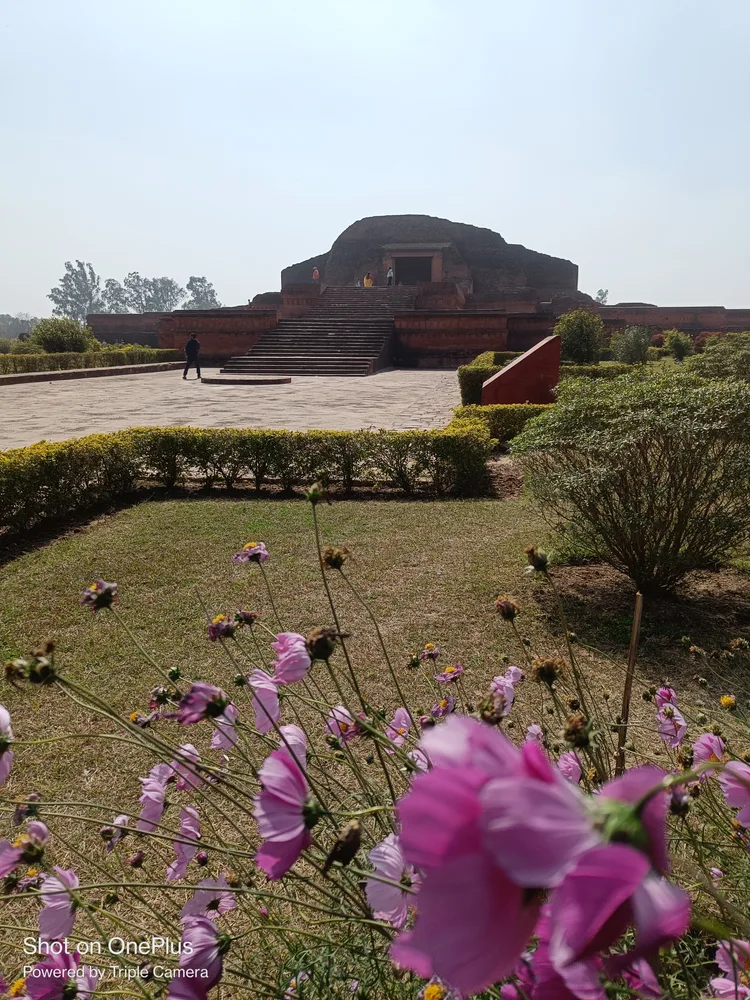
Vikramshila, at Antichak in Bhagalpur district, was another major Buddhist learning centre. It is associated with the Pala ruler Dharmapala and a foundation in the late eighth or early ninth century. Its brick remains include a large monastery and central stupa. Nalanda and Vikramshila are different places with different histories; one photograph should not be used as if it shows both. Check the source
Imagine students travelling far from home to learn from teachers and texts. What would a traveller need to carry, and how would ideas cross languages? Such questions make ruins more than piles of old bricks.

Which places show Bihar’s religious and architectural variety?
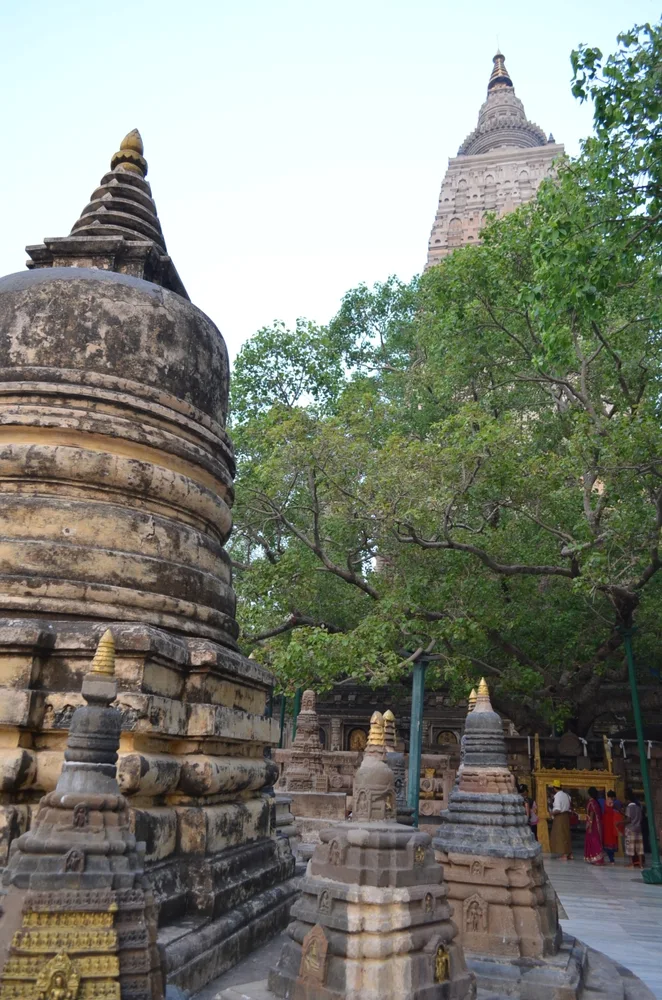
The Mahabodhi Temple Complex at Bodh Gaya, also a UNESCO World Heritage site, is linked with the Buddha’s enlightenment. This is not his birthplace: the Buddha was born at Lumbini, in present-day Nepal. Check the source The temple complex has layers of construction and restoration rather than a single unchanged building. Check the source
Other learning stops include Rajgir, Vaishali, Pawapuri, Takhat Sri Harmandir Ji Patna Sahib, Maner Sharif and Sher Shah Suri’s tomb at Sasaram. These places connect Buddhist, Jain, Sikh, Hindu and Muslim histories and living traditions. Patna Sahib is associated with the birth of Guru Gobind Singh, the tenth Sikh Guru. Describe each place on its own terms instead of assuming that all monuments belong to the same community or period. Check the source
For nature-based exploration, Bihar’s tourism overview includes Valmiki in the west and other landscapes beyond historic cities. A heritage visit can include ecology, architecture and everyday life, not only famous buildings. Check the source

How did Bihar contribute to the freedom movement?
Kunwar Singh of Jagdispur was an important leader in the uprising of 1857 against British rule. His story belongs to the Bhojpur region and is one example of Bihar’s contribution to resistance. Check the source
In 1917, the Champaran Satyagraha brought attention to the difficulties of indigo cultivators. Gandhi worked with local people and supporters; the movement was about real conditions in farming communities, not simply one famous visitor. Bihar also took part in later national movements through students, workers, leaders and ordinary families. Check the source
22 March 1912 marks the creation of the Bihar and Orissa province, remembered on Bihar Diwas. Orissa became separate in 1936, and Jharkhand was formed from southern Bihar on 15 November 2000. These administrative changes explain why an old description of Bihar may include places outside the present state. Check the source Check the source
Which people can inspire different kinds of learning?
Dr Rajendra Prasad, born at Ziradei in present-day Siwan, became the first President of India. Kunwar Singh connects us with the freedom struggle, while Guru Gobind Singh’s connection with Patna is important in Sikh history. Different people contribute through public service, leadership, faith, scholarship and the arts. Check the source
Aryabhata wrote the Aryabhatiya at Kusumapura, commonly associated with the Pataliputra region. His work connects the region with mathematics and astronomy. His birthplace is uncertain, so we should not turn that association into a confident claim that he was born in Patna. Check the source
Artists such as Sita Devi and Ganga Devi helped bring Mithila painting to wider audiences. Their work reminds us that the history of a region includes women, artists and working communities as well as rulers. Check the source
Which languages and festivals make everyday life colourful?
Bihar is multilingual. Hindi and Urdu are widely used, while regional speech traditions include Magahi, Bhojpuri, Maithili, Angika and Bajjika. The names describe a varied language landscape, not one single way that every person speaks. Families may use one language at home and another in school or public life. Check the source
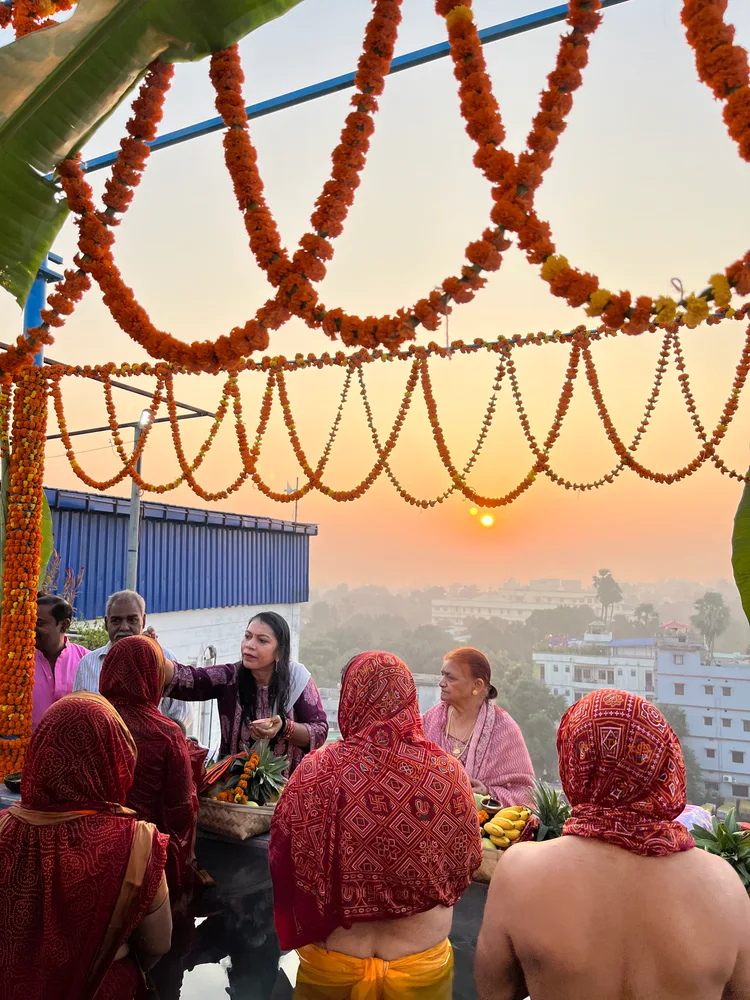
Chhath is especially associated with Bihar’s cultural life, with offerings to the setting and rising Sun. Holi, Diwali, Durga Puja, Eid, Buddha Purnima and other community occasions also matter to different families. Customs vary by place and household. Learning about a festival means listening respectfully, not expecting everyone to practise it. Check the source

What can food and art tell us about the state?
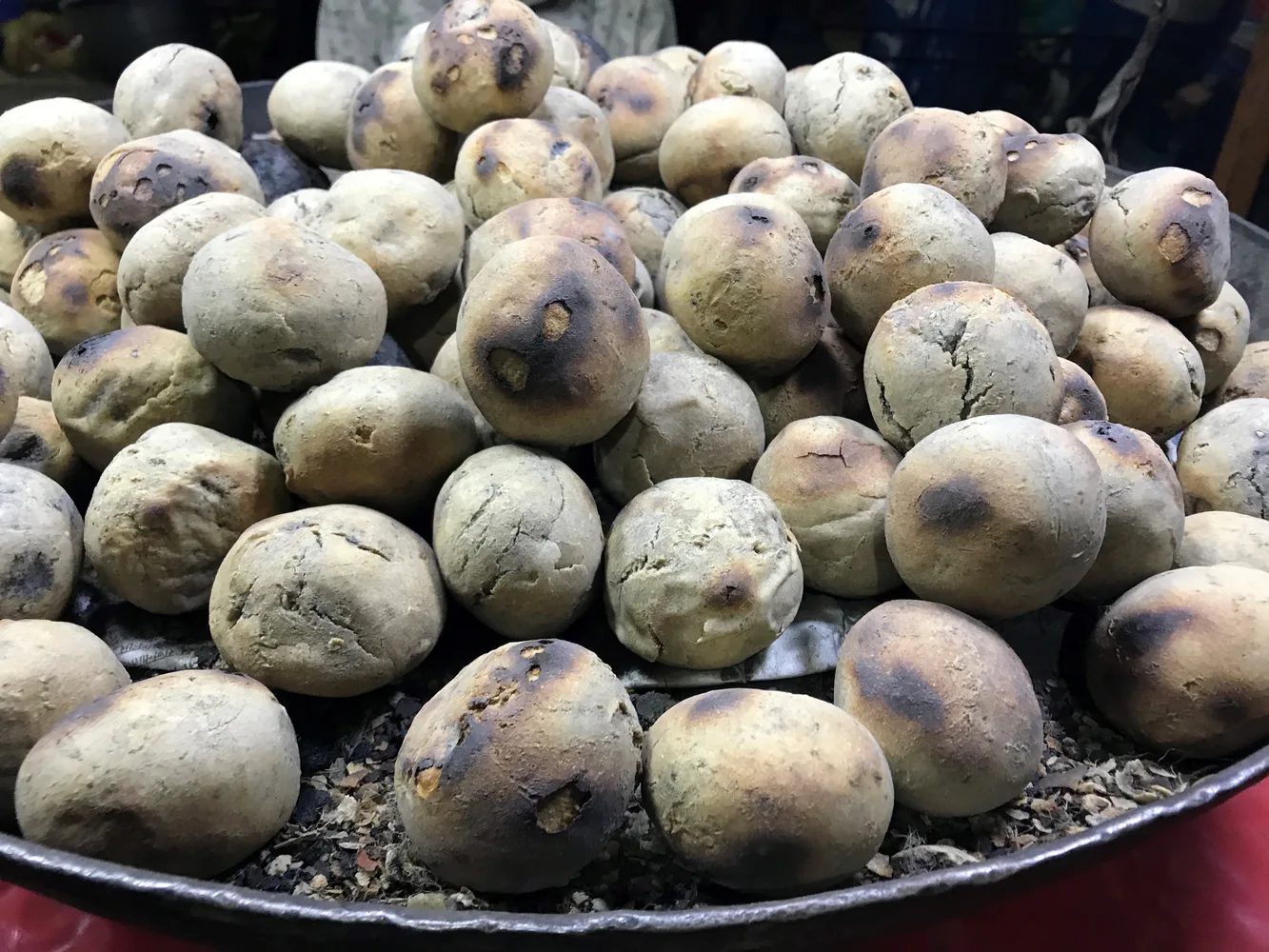
Litti-chokha, thekua and khaja are familiar names in Bihar’s food culture. Litti is usually filled with sattu, while chokha is made from mashed vegetables in different household combinations. Recipes change across families; no single plate represents every region or community. Check the source
Madhubani or Mithila painting is known for strong lines, patterns and themes from nature, stories and daily life. Today artists work on paper, cloth and other surfaces as well as walls. Bihar’s craft institutions also preserve and support traditions such as Tikuli, stone and wood carving, and bamboo work. These are living skills and livelihoods, not only museum objects. Check the source Check the source
Try drawing a border inspired by patterns you observe, and credit an artist if you learn from their work. A classroom activity can celebrate art without copying a painting and pretending it is entirely original.

How many people live in Bihar now?
For 1 October 2026, the National Commission on Population’s report projects about 13.33 crore people in Bihar. This is an official projection, not a new census count. The report’s table uses thousands, so “1,33,289” in that table means 13,32,89,000 people. Check the source
For comparison, the final 2011 Census recorded 10,40,99,452 people and a 61.8% literacy rate for ages seven and above. That literacy figure remains labelled 2011 here. A newer population projection cannot tell us today’s literacy rate, and it should not be mixed with an old percentage as if both were measured together. Check the source
What has Bihar contributed to India, and how can we keep learning?
Bihar’s contributions include ancient political institutions, traditions of debate and learning, mathematics, religious thought, the freedom movement, public service, farming and a rich range of arts. Its story is still being made by teachers, craftspeople, researchers, workers and families today. Pride in a place works best with curiosity and accurate evidence.
For a class project, choose one river, one historical place and one living tradition. Mark them on a map, write down the source and explain what you learned in your own words. Use the timeline for sequence, the twenty facts for revision and the ten GK questions to test understanding. Then ask: what would we like to learn directly from someone in our own district?
20 Did you know?
Patna is associated with the ancient city of Pataliputra.
↗Bihar has no coastline; it is a landlocked state.
↗Nepal is Bihar’s international neighbour to the north.
↗The Ganga is central to the state’s river landscape.
↗The Son joins the Ganga system from the south.
↗Barabar and Nagarjuni together contain seven famous Mauryan-period caves.
↗Nalanda’s archaeological site is on UNESCO’s World Heritage List.
↗Vikramshila is in Bhagalpur district, not at Nalanda.
↗Guru Gobind Singh, the tenth Sikh Guru, was born at Patna.
↗Dr Rajendra Prasad, India’s first President, came from Ziradei in present-day Siwan.
↗Kunwar Singh of Jagdispur was a leader of the 1857 uprising.
↗Champaran Satyagraha took place in 1917 and concerned indigo cultivators.
↗Bihar Diwas is observed on 22 March, recalling the provincial formation in 1912.
↗Jharkhand became a separate state on 15 November 2000.
↗Madhubani painting is also called Mithila painting.
↗Litti-chokha, thekua and khaja are well-known foods associated with Bihar.
↗Magahi, Bhojpuri and Maithili show that the state has several regional language traditions.
↗Chhath includes offerings to both the setting and rising Sun.
↗The current official state overview lists 38 districts; this was checked in October 2026.
↗
Pause, think, discover
Try 10 GK questions
Think of an answer first, then open each question to check. No score or personal information is stored.
What is Bihar’s capital?
Which river is central to Bihar’s plains?
What is the modern name of Rajagriha?
Which dynasty is associated with Chandragupta Maurya and Ashoka?
Which learning centre is at Antichak in Bhagalpur?
Where is the Mahabodhi Temple Complex?
In which year did the Champaran Satyagraha take place?
Who became the first President of India?
Which region is associated with Madhubani painting?
Does “2026 projection” mean a new census counted everyone in 2026?
Where can we check the details?
- REG-S01: District Census Handbook, Jehanabad, Part B
- REG-S03: Population Projections for India and States 2011–2036
- REG-S07: Centrally protected monuments: Patna Circle
- REG-S08: About Barabar Caves
- REG-S12: Archaeological Site of Nalanda Mahavihara
- REG-S13: Mahabodhi Temple Complex at Bodh Gaya
- REG-S14: Vikramshila
- REG-S15: History of Bihar
- REG-S16: History of Champaran
- REG-S17: Kunwar Singh
- REG-S18: Remembering Baba—Dr Rajendra Prasad
- REG-S19: Madhubani handicraft
- REG-S20: Bihar’s craft heritage
- REG-S21: Bihar: culture, places and cuisine
- REG-S22: Linguistic Survey of India: Bihar
- REG-S23: Bihar Data Lab
- REG-S24: Aryabhata the Elder
- REG-S25: Bihar basins at a glance
- REG-S26: Tourism Department: Bihar overview
- REG-S27: Madhubani Paintings
- REG-S28: Lumbini, the Birthplace of the Lord Buddha
- REG-S29: About Jharkhand
What can we explore next?
Want to check the sources?
These notes explain what was checked for the article. The date is an information check, not a publication date.
- REG-S01: District Census Handbook, Jehanabad, Part B
Census of India
Where to look: Printed pp. 15–16 (PDF pp. 24–25): final 2011 statistics
How it was checked: Official text retrieved
Final census totals are used instead of inconsistent district-web summaries. Literacy is for age 7+, not a 2026 rate.
- REG-S03: Population Projections for India and States 2011–2036
National Commission on Population, MoHFW
Where to look: Table 14, printed p. 123, PDF p. 127: Bihar persons, 1 October 2026, thousands
How it was checked: Official text retrieved
133,289 thousand = 133,289,000. This is a state projection, not a new census or official district estimate. Table and units visually checked.
- REG-S07: Centrally protected monuments: Patna Circle
Archaeological Survey of India
Where to look: Entries 17–25: Jehanabad caves and sculptures; entries 2 and 39: Vikramshila and Nalanda
How it was checked: Official text retrieved
Use architectural descriptions and named sites. Avoid presenting disputed later inscription dates as exact.
- REG-S08: About Barabar Caves
Bihar Government Barabar Cave Tourism
Where to look: Four Barabar and three Nagarjuni caves; Mauryan patrons; Siddheshwar Nath temple
How it was checked: Official indexed excerpt; direct download unavailable
Official indexed text checked; direct retrieval timed out. Unsupported temple dating and visitor totals are omitted.
- REG-S12: Archaeological Site of Nalanda Mahavihara
UNESCO World Heritage Centre
Where to look: Site description and educational heritage
How it was checked: Official text retrieved
Ancient archaeological remains are distinct from the modern Nalanda University. No world-first university claim is made.
- REG-S13: Mahabodhi Temple Complex at Bodh Gaya
UNESCO World Heritage Centre
Where to look: Enlightenment tradition and temple architecture
How it was checked: Official text retrieved
Buddha’s enlightenment at Bodh Gaya is not a claim that he was born in Bihar.
- REG-S14: Vikramshila
Bihar State Tourism Development Corporation
Where to look: Pala patron Dharmapala and Antichak, Bhagalpur location
How it was checked: Official text retrieved
Use approximate late eighth/early ninth-century foundation, without invented exact founding dates.
- REG-S15: History of Bihar
Government of Bihar
Where to look: Historical overview; Bihar and Orissa province; later separation
How it was checked: Official indexed excerpt; direct download unavailable
Official indexed text retrieved; direct page timed out. Ancient kingdoms are not equated with current state borders.
- REG-S16: History of Champaran
West Champaran District Administration
Where to look: 1917 Champaran Satyagraha and indigo cultivators
How it was checked: Official text retrieved
A dated event, not a current political endorsement.
- REG-S17: Kunwar Singh
Ministry of Culture, Azadi Ka Amrit Mahotsav
Where to look: Jagdispur and leadership in the 1857 uprising
How it was checked: Official text retrieved
Short biographical association only.
- REG-S18: Remembering Baba—Dr Rajendra Prasad
President’s Secretariat / PIB
Where to look: Ziradei in Siwan and India’s first President
How it was checked: Official text retrieved
Modern district name distinguished from historical Saran.
- REG-S19: Madhubani handicraft
Madhubani District Administration
Where to look: Mithila painting, motifs and media
How it was checked: Official text retrieved
Living art tradition; myths about exact origins are not stated as historical proof.
- REG-S20: Bihar’s craft heritage
Upendra Maharathi Shilp Anusandhan Sansthan
Where to look: Department of Industries institute; Madhubani, Tikuli and craft collections
How it was checked: Official text retrieved
No claim that the school or images are endorsed by the institute.
- REG-S21: Bihar: culture, places and cuisine
Ministry of Tourism, Incredible India
Where to look: Bihar name, Patna Sahib, food and historical places
How it was checked: Official text retrieved
Use checked names; avoid tourism superlatives such as first republic or officer-production rankings.
- REG-S22: Linguistic Survey of India: Bihar
Census of India
Where to look: Discussion of Bhojpuri, Magahi and Maithili
How it was checked: Official indexed excerpt
Regional languages are not reduced to one uniform Bihari language. No current speaker percentages are claimed.
- REG-S23: Bihar Data Lab
Directorate of Economics and Statistics, Bihar
Where to look: State geographic area and 38 districts
How it was checked: Official indexed excerpt
Current official indexed description checked; district statistics are not extrapolated from the landing page.
- REG-S24: Aryabhata the Elder
University of St Andrews, MacTutor
Where to look: Aryabhatiya at Kusumapura; uncertainty about birthplace
How it was checked: Official text retrieved
Kusumapura is commonly associated with Pataliputra; birthplace is explicitly uncertain.
- REG-S25: Bihar basins at a glance
Water Resources Department, Bihar
Where to look: Ganga basin, northern rivers and state geography
How it was checked: Official indexed excerpt
General basin context; no live river-level or flood forecast is supplied.
- REG-S26: Tourism Department: Bihar overview
Government of Bihar
Where to look: Neighbours, cultural regions, crops, rivers, festivals and Valmiki tourism
How it was checked: Official text retrieved
General overview only; no current opening hours, prices or travel guarantees.
- REG-S27: Madhubani Paintings
Development Commissioner (Handicrafts), Government of India
Where to look: Mithila tradition; artists Sita Devi and Ganga Devi
How it was checked: Official indexed excerpt; direct download unavailable
Use documented art and artists; legendary origins are not treated as a dated historical event.
- REG-S28: Lumbini, the Birthplace of the Lord Buddha
UNESCO World Heritage Centre
Where to look: Buddha birthplace in Nepal
How it was checked: Official text retrieved
Birthplace distinguished from enlightenment at Bodh Gaya.
- REG-S29: About Jharkhand
Government of Jharkhand
Where to look: State formation, 15 November 2000
How it was checked: Official text retrieved
Administrative history; not the ancient extent of Bihar or Magadha.
Next planned check: